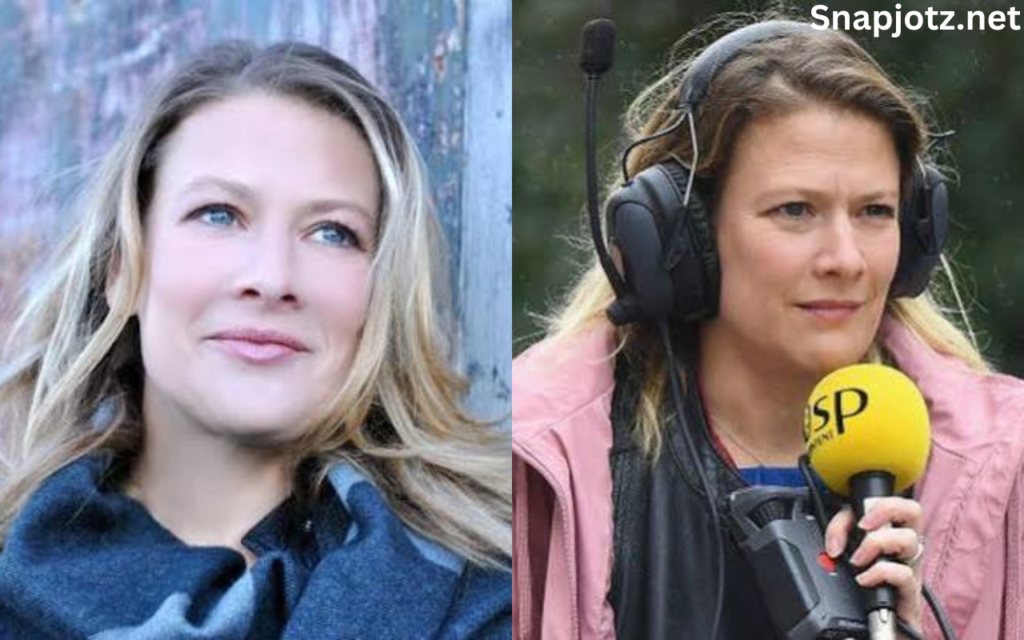

Formula 1 is a sport built on precision, resilience, and the ability to perform under immense pressure. Few broadcasters embody those same qualities as naturally as Jennie Gow, whose voice has become synonymous with motorsport journalism in the United Kingdom. Whether interviewing world champions on the Formula 1 grid, presenting live broadcasts for the BBC, or explaining the complexities of racing to new audiences, Gow has earned widespread respect through professionalism, expertise, and authenticity. Yet her greatest challenge came away from the racetrack when a life-changing stroke threatened not only her career but also her ability to speak and communicate.
Table of Contents
ToggleInstead of allowing adversity to define her, Jennie Gow transformed one of the darkest moments of her life into a story of courage, determination, and hope. Her remarkable recovery inspired thousands of people both inside and outside the motorsport community, proving that resilience often shines brightest during life’s most difficult moments. Today, she continues to educate Formula 1 fans, advocate for stroke awareness, and demonstrate why perseverance is every bit as important as talent.
| Quick Facts | Details |
|---|---|
| Full Name | Jennie Gow |
| Date of Birth | 20 May 1977 |
| Age | 49 (as of 2026) |
| Birthplace | Southampton, Hampshire, England |
| Nationality | British |
| Profession | Broadcaster, Journalist, Radio & Television Presenter |
| Known For | BBC Formula 1 Presenter and Pit Lane Reporter |
| Husband | Jamie Coley |
| Children | One daughter |
| Parents | Not publicly disclosed |
| Siblings | Not publicly disclosed |
| Education | Media and Communication Studies |
| Estimated Net Worth | Approximately $1–3 million (estimated) |
| Employer | BBC Sport |
| @jennie.gow | |
| X (Twitter) | @JennieGow |
| Website | jenniegow.co.uk |
Early Life and Childhood
Jennie Gow was born on 20 May 1977 in Southampton, Hampshire, England, before spending much of her childhood in Dorset. At the age of seven, her family relocated to Wargrave in Berkshire, where she would spend many of her formative years. Growing up in southern England exposed her to a healthy balance of academics, sports, and creative activities, all of which would later influence her broadcasting career. Rather than following a predictable path, she embraced opportunities that allowed her personality, curiosity, and communication skills to flourish.
As a student at The Piggott School, Gow developed interests beyond the classroom. She participated in local theatre productions, enjoyed competitive sports, and particularly excelled as a rowing cox, winning medals with several rowing teams. These experiences helped cultivate confidence, teamwork, leadership, and the ability to remain calm under pressure—qualities that would eventually become invaluable during live television and radio broadcasts. Although journalism was not yet her full-time ambition, her natural enthusiasm for storytelling was already becoming apparent.
Like many successful broadcasters, Jennie did not begin her career in front of a television camera. She worked a variety of jobs during her younger years, including time at a French ski resort and a temporary position at the Royal Berkshire Hospital. These early experiences broadened her perspective and taught her the importance of adaptability, humility, and hard work. Instead of waiting for the perfect opportunity, she steadily built experience wherever she could, laying the foundations for a remarkable media career.
Education and the First Steps into Journalism
Jennie Gow’s route into broadcasting was not built on celebrity connections or overnight success. After completing her schooling, she studied Media and Communication Studies, a subject that gave her both theoretical knowledge and practical skills in journalism, broadcasting, and public communication. Rather than viewing university as the final destination, she treated it as the beginning of a much longer learning process. During this period, she developed an understanding of how radio, television, and print journalism work together to inform audiences, while also refining the interviewing and storytelling abilities that would later define her professional style.
Her first significant step into the media industry came in 1992, when she joined the Henley Standard. Working for a local newspaper introduced her to the realities of journalism, including researching stories, meeting deadlines, verifying facts, and building relationships with local communities. These experiences taught her that successful journalism depends not only on asking good questions but also on listening carefully and presenting information with fairness and clarity. Those early reporting assignments gave her confidence and laid the groundwork for a future career in national broadcasting.
In 1999, Gow joined BBC Sport as a production secretary for the prestigious Sports Personality of the Century programme. While the role was largely behind the scenes, it allowed her to observe experienced broadcasters, producers, and journalists working at the highest level. She absorbed everything she could about television production, live broadcasting, and newsroom operations, understanding that every successful presenter begins by learning the craft from the ground up. This willingness to work patiently behind the scenes became one of the defining characteristics of her career.
Building a Reputation in Broadcasting
Jennie Gow’s transition from production roles to presenting happened steadily rather than suddenly. In 2001, she became the Traffic and Travel Presenter for BBC Radio Solent, before moving into the station’s sports department. There she reported on football clubs including Southampton FC, Portsmouth FC, and AFC Bournemouth, covering matches, interviewing players and managers, and producing live sports reports. The fast-paced environment of local sports journalism sharpened her ability to think quickly, ask insightful questions, and communicate clearly under pressure.
Seeking broader opportunities, Gow later moved into commercial radio, spending time at 107.4 The Quay before becoming the breakfast show host at Orchard FM in Somerset. An unexpected opportunity arose when she was asked to present speedway coverage for the Somerset Rebels. Her confident and engaging presentation style caught the attention of a television producer, who invited her to front coverage of the FIM World Longtrack Championships. That single opportunity proved to be a major turning point, opening doors into the world of motorsport broadcasting.
From there, her career gathered momentum. She presented speedway and motocross events that aired on Channel 4, Sky Sports, Men & Motors, and Motors TV. She also worked as a continuity announcer for ITV and later for Five, while simultaneously presenting rally coverage and joining Sky Sports News. Every role added another layer of experience, helping her become one of Britain’s most versatile sports broadcasters. By saying yes to diverse assignments, she developed the adaptability that would later make her an ideal presenter for Formula 1 and other international motorsport competitions.
Rise to Prominence in Formula 1 and Motorsport
Jennie Gow’s breakthrough on the international stage arrived in 2010, when she became the lead presenter of BBC Sport’s MotoGP coverage following the departure of Suzi Perry. Hosting one of the world’s most prestigious motorcycle racing championships required detailed technical knowledge, confidence on live television, and the ability to communicate with elite riders, engineers, and team managers. Gow quickly demonstrated that she possessed all three qualities, earning praise for making complex racing strategies accessible to casual viewers while still satisfying dedicated motorsport fans.
Her growing reputation soon led to opportunities in Formula 1, where she initially filled in as BBC Radio 5 Live’s pit lane reporter during selected Grands Prix in 2011 before securing the role permanently for the 2012 season. Covering Formula 1 demanded exceptional preparation because interviews often took place within seconds of dramatic qualifying sessions or races. Gow became known for asking thoughtful, informed questions while remaining calm in the high-pressure atmosphere of the paddock, earning the respect of drivers, team principals, engineers, and fellow journalists alike.
Beyond Formula 1, Jennie expanded her influence across the wider motorsport world. She presented Formula E coverage for ITV4, later continuing with the BBC after the broadcasting rights changed hands. She also appeared as an expert contributor in Netflix’s hugely successful Drive to Survive series and became the English-language co-commentator for Extreme E, helping introduce audiences to the innovative electric off-road racing championship. Through these varied roles, Gow established herself as one of the most trusted and knowledgeable voices in modern motorsport journalism.
Stroke, Recovery, and an Extraordinary Comeback
In December 2022, Jennie Gow faced the greatest challenge of her life when she suffered a serious stroke caused by a blood clot following a torn carotid artery. The sudden medical emergency left her unable to speak, read, or write properly—an unimaginable situation for someone whose profession depended entirely on communication. Doctors, family members, and colleagues immediately recognized the seriousness of her condition, while the motorsport community rallied around her with heartfelt messages of encouragement. For Gow, however, the focus shifted away from Formula 1 and toward relearning the basic skills that many people take for granted.
The months that followed required extraordinary patience and determination. Jennie underwent intensive speech and language therapy while also rebuilding her confidence one small step at a time. She has openly shared that fatigue, finding the right words, and reading remained significant challenges long after the stroke. Despite these obstacles, she refused to let the experience define her future. By July 2023, she had already made an emotional return to selected Formula 1 events, demonstrating remarkable courage and inspiring colleagues and fans alike. Her willingness to discuss the realities of stroke recovery has also helped increase public awareness about recognizing symptoms and seeking urgent medical care.
Rather than hiding from her experience, Gow transformed it into a source of strength. She has since worked with stroke charities, participated in awareness campaigns, and spoken honestly about both the physical and emotional aspects of recovery. In interviews, she has explained that surviving a stroke changed her perspective on life, making her appreciate every opportunity to communicate with others. Her story has become one of resilience rather than tragedy, proving that setbacks can become powerful new beginnings when met with determination and hope.
Personal Life, Family, and Interests
Away from the race circuits, Jennie Gow leads a relatively private family life. She is married to Jamie Coley, and together they have a daughter who has remained one of the biggest sources of motivation throughout her career and recovery. While Gow frequently shares stories from the Formula 1 paddock, she carefully balances her professional commitments with family responsibilities. She has often spoken about the importance of spending quality time at home after the demanding international travel schedule required during the racing season.
Friends and colleagues frequently describe Jennie as approachable, thoughtful, and exceptionally hardworking. Those qualities are reflected in her interviewing style, where she is known for asking insightful questions without seeking unnecessary controversy. Drivers, engineers, and team principals have consistently praised her professionalism because she focuses on meaningful conversations rather than sensational headlines. This balanced approach has earned her lasting respect across the motorsport industry and contributed significantly to her longevity as a broadcaster.
Outside broadcasting, Gow enjoys fitness, travelling, and following developments across different forms of motorsport. She also remains interested in encouraging young journalists, particularly women considering careers in sports media. By sharing both her successes and personal challenges, she has become an inspiring role model for aspiring broadcasters who hope to work in Formula 1, MotoGP, or other elite sporting environments.
Major Achievements, Recognition, and Lasting Influence
Jennie Gow’s career is defined not only by the positions she has held but also by the trust she has earned within one of the world’s most competitive sports. Becoming BBC Radio 5 Live’s Formula 1 pit lane reporter represented a significant milestone, allowing her to cover world championship battles, interview legendary drivers, and report live from some of the sport’s most iconic venues. Over the years, she has also presented MotoGP, Formula E, Extreme E, rally events, and numerous television and radio programmes, establishing herself as one of Britain’s most respected motorsport journalists.
Another important achievement has been her role in introducing Formula 1 to new audiences. Through appearances on Netflix’s Drive to Survive, BBC broadcasts, podcasts, and digital media, Gow has helped explain the sport in a way that is accessible to both lifelong enthusiasts and newcomers. Her ability to simplify technical concepts without losing accuracy has become one of her greatest professional strengths, contributing to the continued growth of Formula 1’s global fan base.
Perhaps her most meaningful accomplishment, however, extends far beyond journalism. Her public recovery from stroke has inspired countless people facing their own health challenges. By returning to broadcasting, speaking openly about rehabilitation, and refusing to abandon the career she loves, Jennie Gow has become an example of perseverance. Her story reminds audiences that genuine success is measured not only by professional achievements but also by the courage shown when overcoming life’s most difficult obstacles.
Net Worth and Sources of Income
After more than two decades in broadcasting, Jennie Gow has built a successful and respected career across television, radio, live events, podcasts, and motorsport media. While she has never publicly disclosed her financial details, industry estimates place her net worth between $1 million and $3 million. This estimate reflects her long-standing work with BBC Sport, commercial broadcasting, event hosting, public speaking, book publishing, and other professional engagements. Because Gow values her privacy, any reported figure should be regarded as an informed estimate rather than a confirmed amount.
Her primary income has come from her role as a broadcaster and journalist. As one of the most recognizable voices in British motorsport, she has presented Formula 1, MotoGP, Formula E, rallying, and Extreme E across major broadcasters including the BBC, ITV, Sky Sports, and Channel 4. In recent years, she has expanded her portfolio through keynote speaking, corporate events, motorsport conferences, and media consultancy. Following her stroke recovery, she has also become a sought-after motivational speaker, sharing lessons about resilience, communication, and overcoming adversity with business audiences and sporting organizations.
Another valuable addition to her career has been authorship. Jennie published How to Read F1, a guide designed to help both new and experienced fans better understand Formula One. The book has been well received within the motorsport community and complements her broadcasting work by making the sport more accessible to a wider audience. Combined with podcast appearances, media partnerships, and speaking engagements, these projects have diversified her income while reinforcing her reputation as one of Formula 1’s leading communicators.
Social Media Presence and Connection with Fans
Jennie Gow has embraced social media as an extension of her journalism rather than simply a promotional platform. On X (formerly Twitter), she regularly shares Formula 1 news, race-day observations, behind-the-scenes updates from Grand Prix weekends, and thoughtful commentary on major developments in motorsport. Her posts reflect the same professionalism that has made her successful on television and radio, balancing breaking news with informed analysis and respectful discussion.
Her Instagram account offers a more personal glimpse into life beyond the paddock. Followers can see photographs from international race weekends, interviews with drivers, charity work, family moments, travel experiences, and milestones from her stroke recovery. Rather than presenting a carefully manufactured image, Gow uses the platform to communicate honestly with fans, often expressing gratitude for the encouragement she has received throughout her rehabilitation. This authenticity has strengthened her relationship with audiences who appreciate her openness and resilience.
Jennie is also active on LinkedIn, where she highlights her work as a broadcaster, event host, and keynote speaker. She frequently shares updates about business leadership events, motorsport conferences, and discussions focused on resilience, communication, and high performance. Her online presence demonstrates that social media can be used not only to report news but also to educate, inspire, and build meaningful professional relationships.
Recent Updates and Future Goals
Since returning to Formula 1 following her recovery, Jennie Gow has continued to strengthen her role within motorsport broadcasting. She remains an important contributor to BBC Radio 5 Live’s Formula 1 coverage, travelling to Grands Prix, interviewing drivers and team principals, and providing expert analysis for millions of listeners. Alongside her broadcasting commitments, she continues to promote her book How to Read F1, helping new fans understand the technical and strategic aspects of Formula One while also engaging experienced followers with fresh insights.
Beyond broadcasting, Gow has become increasingly involved in public speaking and leadership events, where she shares lessons drawn from both elite motorsport and her personal recovery journey. Throughout 2026, she has appeared at business networking events and motorsport conferences discussing resilience, teamwork, leadership, and high-performance culture. These engagements illustrate how her influence now extends well beyond journalism, inspiring professionals across multiple industries.
Looking ahead, Jennie Gow appears committed to combining her passion for motorsport with advocacy for stroke awareness and education. Whether reporting live from Formula 1 circuits, mentoring aspiring journalists, writing future books, or encouraging people facing their own health challenges, she continues to expand her impact. Her career suggests that her future will involve not only covering the world’s fastest sport but also inspiring others to overcome obstacles with determination and optimism.
Conclusion
Jennie Gow’s journey is far more than the story of a successful sports broadcaster. It is the story of a woman who built her reputation through dedication, professionalism, and an unwavering passion for motorsport before confronting one of the greatest personal challenges imaginable. From local radio stations to the Formula 1 paddock, she earned every opportunity through hard work, continuous learning, and a genuine commitment to high-quality journalism. Her ability to explain complex racing stories while building trust with drivers, teams, and audiences has made her one of Britain’s most respected motorsport broadcasters.
Her remarkable recovery following a life-changing stroke added an entirely new dimension to her legacy. Instead of allowing adversity to end her career, Jennie demonstrated extraordinary resilience by returning to the sport she loves and using her experience to raise awareness for others. Her openness about rehabilitation has encouraged countless stroke survivors and highlighted the importance of determination, patience, and support throughout recovery. In doing so, she has become an inspiring advocate whose influence reaches far beyond Formula 1.
As Jennie Gow continues to pave the way for future generations of broadcasters, journalists, and sports enthusiasts, her story stands as a powerful reminder that passion, perseverance, and resilience can overcome even life’s greatest challenges. Her legacy is being built not only through outstanding journalism but also through courage, compassion, and an unwavering belief that every setback can become the foundation for an even stronger comeback.