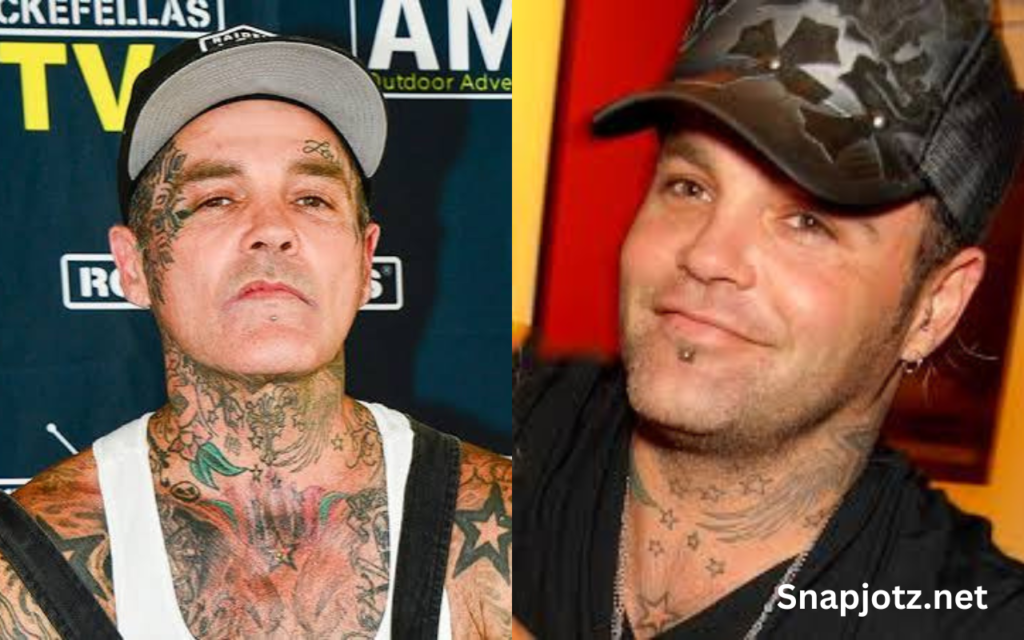

Few musicians captured the sound of the early 2000s quite like Shifty Shellshock. Best known as the charismatic frontman of the rap rock band Crazy Town, he became a global sensation with the chart-topping hit “Butterfly.” His distinctive blend of rap, rock, and emotional storytelling made him one of the most recognizable voices of the nu-metal era. While his career reached incredible heights, it was also marked by deeply personal struggles that he never tried to hide from the public. His openness about addiction, recovery, and the challenges of fame made his journey both inspiring and heartbreaking.
Table of Contents
ToggleBehind the tattoos, energetic performances, and platinum-selling records was Seth Brooks Binzer, the man who performed under the stage name Shifty Shellshock. His story is about much more than one hit song. It is the story of a talented songwriter who experienced worldwide success, personal setbacks, multiple career comebacks, and an enduring connection with fans who appreciated his honesty. Throughout his life, music remained his greatest passion and the place where he expressed his emotions most openly.
Even after his passing in June 2024 at the age of 49, Shifty Shellshock continues to be remembered as an influential figure in alternative rock and rap rock history. His music still reaches millions of listeners through streaming platforms, while “Butterfly” remains one of the defining songs of its generation.
| Quick Facts | Details |
|---|---|
| Full Name | Seth Brooks Binzer |
| Stage Name | Shifty Shellshock |
| Date of Birth | August 23, 1974 |
| Date of Death | June 24, 2024 |
| Age | 49 years |
| Birthplace | Los Angeles, California, USA |
| Nationality | American |
| Profession | Rapper, Singer, Songwriter, Actor |
| Famous For | Lead singer and co-founder of Crazy Town |
| Father | Rollin Binzer |
| Mother | Leslie Brooks |
| Siblings | Not publicly confirmed |
| Genre | Rap Rock, Nu Metal, Alternative Rock |
| Years Active | 1992–2024 |
| Estimated Net Worth | Around $2–3 million (estimated) |
| Children | Three sons |
| @therealshiftyshellshock (legacy account) | |
| X (Twitter) | Publicly inactive in later years |
| Not available |
Who Was Shifty Shellshock?
Shifty Shellshock was an American rapper, singer, songwriter, and performer whose career became closely associated with the rise of rap rock and nu metal in the late 1990s and early 2000s. As the co-founder and lead vocalist of Crazy Town, he helped create a musical style that mixed heavy guitar riffs with hip-hop rhythms, producing a sound that appealed to a wide audience. His emotional lyrics and energetic stage presence made him one of the defining artists of the era.
His biggest commercial success came with “Butterfly,” a song that reached No. 1 on the Billboard Hot 100 and topped charts in several countries. The single transformed Crazy Town from an emerging band into international stars almost overnight. While many listeners remember him primarily for this hit, his career extended well beyond one successful song through solo work, collaborations, television appearances, and later reunions with Crazy Town.
Although his life included many public struggles, Shifty Shellshock remained dedicated to creating music. Fans often admired him for speaking honestly about addiction and recovery, allowing others facing similar challenges to relate to his experiences.
Early Life and Family Background
Seth Brooks Binzer was born on August 23, 1974, in Los Angeles, California. He grew up in a creative household where artistic expression was encouraged. His father, Rollin Binzer, worked as an artist and documentary filmmaker, while his mother, Leslie Brooks, worked as both a model and script proofreader. This artistic environment exposed him to different forms of creativity from an early age.
Although he spent most of his childhood in Los Angeles, his family briefly lived in Marblehead, Massachusetts, before eventually returning to California. The cultural differences between these places gave him a broader perspective during his formative years and influenced the music and lyrics he would later create.
By the age of twelve, Seth had already started writing rap lyrics and experimenting with music. Hip-hop culture fascinated him, and he quickly developed an interest in combining rap with other musical influences. These early experiences laid the foundation for the artist the world would later know as Shifty Shellshock.
Education and Musical Influences
Shifty Shellshock attended schools in both California and Massachusetts during his childhood, but his education soon became secondary to his growing passion for music. Rather than following a traditional academic path, he immersed himself in writing lyrics, studying hip-hop culture, and developing his own artistic identity. Like many musicians who emerged from Los Angeles during the 1990s, he learned more from recording studios, local music scenes, and life experiences than from classrooms.
His musical tastes were remarkably diverse. While hip-hop artists such as LL Cool J, Beastie Boys, and Cypress Hill inspired his rap style, he was equally influenced by alternative rock bands including The Cure and other artists who blended emotional songwriting with powerful instrumentals. This combination of influences eventually became the signature sound that distinguished Crazy Town from many of their contemporaries.
Instead of limiting himself to one genre, Shifty believed music should reflect different emotions and experiences. That philosophy later helped Crazy Town create songs that combined melodic choruses, heavy guitars, rap verses, and pop-friendly hooks. The result was a style that appealed to rock fans, hip-hop listeners, and mainstream audiences alike.
The Beginning of His Music Career
Shifty Shellshock’s professional journey truly began in 1992, when he met fellow musician Bret “Epic” Mazur. The two quickly discovered they shared similar musical ambitions and began collaborating under the name The Brimstone Sluggers. During those early years they spent countless hours writing songs, recording demos, and experimenting with different musical styles while trying to establish themselves in Los Angeles’ competitive music scene.
Their persistence eventually paid off. By the late 1990s, the project evolved into Crazy Town, with several additional musicians joining the lineup. The band’s unique combination of rap, rock, funk, and alternative influences immediately caught the attention of record labels. At a time when nu-metal was becoming one of the biggest genres in modern rock, Crazy Town offered something slightly different by incorporating catchy melodies alongside aggressive rap verses.
One of the band’s earliest opportunities came when they joined the Ozzfest tour in 2000. Although their time on the tour ended early following an incident involving Shifty’s arrest after damaging property while intoxicated, the exposure introduced the band to a much larger audience. Despite the setback, their debut album was already generating excitement, setting the stage for an international breakthrough.
Crazy Town and the Global Success of Butterfly
In 1999, Crazy Town released their debut studio album, The Gift of Game. While the album contained several energetic rap-rock tracks, it was the single “Butterfly” that completely transformed the band’s career. Built around a memorable sample from the Red Hot Chili Peppers’ song “Pretty Little Ditty,” “Butterfly” became an unexpected worldwide phenomenon.
Released as a single in 2001, “Butterfly” climbed to No. 1 on the Billboard Hot 100 and topped music charts across numerous countries, including Austria, Denmark, Norway, and several others. The song’s romantic lyrics, catchy chorus, and accessible sound made it one of the defining tracks of the early 2000s. As radio stations and MTV played the song continuously, Crazy Town suddenly found themselves performing before enormous audiences around the world. Their debut album eventually sold more than 1.5 million copies, cementing the band’s place in rock history.
The success of “Butterfly” also made Shifty Shellshock an instantly recognizable celebrity. His distinctive tattoos, energetic stage performances, and unmistakable voice became closely associated with the rap-rock movement. Although the band would later struggle to match the commercial impact of their biggest hit, “Butterfly” remains one of the most enduring songs of its era and continues to receive millions of streams every year.
Challenges After Early Success
Following the incredible popularity of The Gift of Game, expectations for Crazy Town’s second album were extremely high. In 2002, the band released Darkhorse, hoping to build on their previous momentum. Although the album featured a heavier rock sound and demonstrated artistic growth, it failed to achieve the same commercial success as its predecessor. Critics offered mixed reviews, and sales were significantly lower than expected.
At the same time, Shifty Shellshock’s personal struggles with substance addiction became increasingly difficult to manage. These challenges affected both his personal relationships and the band’s stability. As internal tensions grew, Crazy Town eventually disbanded shortly after the release of Darkhorse. What had once seemed like one of rock’s fastest-rising bands suddenly disappeared from the mainstream spotlight.
Despite these disappointments, Shifty never abandoned music. Instead, he viewed this difficult period as an opportunity to reinvent himself. Although the road ahead would include many obstacles, he remained committed to writing songs and performing, believing that music was still his greatest source of purpose and healing.
Solo Career and Musical Reinvention
After Crazy Town entered a period of inactivity, Shifty Shellshock focused on establishing himself as a solo artist. Rather than trying to recreate the exact sound that had made his band famous, he experimented with a more melodic style that blended alternative rock, hip-hop, pop, reggae, and electronic music. This creative shift demonstrated his desire to grow as a songwriter and prove that he could succeed outside of a band environment.
One of his earliest solo successes came through his collaboration with renowned British DJ and producer Paul Oakenfold on the 2002 single “Starry Eyed Surprise.” The upbeat dance anthem became an international hit, reaching the Top 10 in the United Kingdom and entering the Billboard Hot 100 in the United States. The collaboration introduced Shifty to electronic music audiences and showcased his versatility as both a vocalist and songwriter.
In 2004, he released his first and only solo studio album, Happy Love Sick. Produced with contributions from respected names including Paul Oakenfold and The Neptunes, the album featured singles such as “Slide Along Side” and “Turning Me On.” Although it did not achieve the commercial success of Crazy Town’s debut album, critics appreciated its willingness to explore new musical directions, and many longtime fans admired its more personal and emotional songwriting.
Television Appearances and Public Life
As his struggles with addiction became increasingly public, Shifty Shellshock chose not to hide from them. Instead, he participated in several reality television programs that documented the difficult process of recovery. He appeared on VH1’s Celebrity Rehab with Dr. Drew, where viewers witnessed his determination to overcome substance abuse despite repeated setbacks. His honesty resonated with many people facing similar challenges in their own lives.
Following Celebrity Rehab, he also appeared in Sober House and its follow-up season. These programs highlighted the reality that recovery is rarely a straight path. While Shifty experienced periods of progress, he also faced relapses that reminded audiences how difficult long-term recovery can be. Throughout these appearances, he remained candid about his experiences, helping reduce some of the stigma surrounding addiction.
Beyond reality television, Shifty made appearances in films and music videos. He had a small role in the 1994 comedy Clifford, starred in the short film Willowbee, and later appeared in the 2016 zombie western Dead 7. Although acting was never his primary profession, these projects reflected his willingness to explore different creative opportunities throughout his career.
Personal Life, Relationships, and Character
Away from the stage, Seth Binzer was known by friends and family as someone with a deep appreciation for creativity. Music, fashion, skateboarding, street art, and the culture of Los Angeles all played important roles in shaping his identity. Those close to him often described him as charismatic, humorous, and deeply passionate about artistic expression, qualities that were evident both on and off the stage.
Family remained an important part of his life. Shifty was the father of three sons, whom his family later described as his greatest pride. Although aspects of his relationships occasionally became public through legal proceedings and media reports, he generally kept much of his family life private, choosing instead to focus public attention on his music and recovery journey.
In later years, he was also linked to actress Soleil Moon Frye, and following his death she shared a heartfelt tribute remembering his kindness, creativity, and the friendship they had shared for many years. Her words reflected the affection many people who knew him personally continued to have despite the difficulties he faced.
Addiction Struggles and Remarkable Honesty
One of the defining aspects of Shifty Shellshock’s life was his openness about addiction. Unlike many celebrities who attempted to conceal personal struggles, he openly acknowledged his battles with substance abuse and repeatedly sought professional treatment. His willingness to discuss these issues publicly made him an important voice for conversations surrounding addiction and mental health.
Over the years, he experienced numerous relapses, legal troubles, and health scares. In 2012, he was hospitalized after losing consciousness and later recovered following a coma. Despite these serious setbacks, he continued making music and repeatedly expressed hope that he could rebuild his life. His persistence demonstrated both the complexity of addiction and the strength required to continue fighting despite repeated failures.
Friends, family members, and colleagues consistently emphasized that behind the headlines was someone who genuinely wanted to recover. His manager later reflected that many people wished they could have done more to support him, underscoring how difficult addiction can be even when surrounded by people who care deeply.
Crazy Town Reunion and Later Musical Projects
Although Crazy Town experienced a difficult period after the release of Darkhorse, Shifty Shellshock never completely walked away from the band he helped create. In 2007, Crazy Town officially reunited, giving longtime fans hope that the group could recapture some of its earlier magic. Over the following years, the band performed at music festivals, club shows, and international tours, proving that there was still strong interest in their music. While they never matched the commercial success of the early 2000s, their live performances attracted both nostalgic fans and a younger generation discovering their songs for the first time.
The reunion eventually led to the release of The Brimstone Sluggers in 2015, Crazy Town’s third studio album. The record reflected a more mature version of the band’s signature rap-rock style, combining heavy guitar riffs, melodic choruses, and introspective lyrics. Although the album did not produce another worldwide hit like “Butterfly,” it demonstrated that Shifty remained passionate about songwriting and continued to evolve creatively. Fans appreciated hearing new material while also enjoying classic songs during live performances.
In the years that followed, Shifty continued performing under different versions of the Crazy Town name and collaborated with fellow musicians on independent projects. Music remained a constant part of his life despite ongoing personal challenges. His determination to keep creating reflected his belief that artistic expression could provide hope even during life’s most difficult moments.
Awards, Achievements, and Lasting Musical Impact
While Shifty Shellshock’s career included many ups and downs, his achievements within the music industry remain significant. His biggest accomplishment was helping Crazy Town create “Butterfly,” one of the defining songs of the early 2000s. The single reached No. 1 on the Billboard Hot 100 and topped charts in multiple countries, making it one of the most successful rap-rock songs ever released. It also helped The Gift of Game sell more than 1.5 million copies worldwide.
Some of his most notable career highlights include:
- Co-founder and lead vocalist of Crazy Town.
- Billboard Hot 100 No. 1 single with “Butterfly.”
- International chart success with “Starry Eyed Surprise” alongside Paul Oakenfold.
- Successful solo album Happy Love Sick.
- Influence on the rap-rock and nu-metal movements of the late 1990s and early 2000s.
Beyond commercial achievements, Shifty’s greatest contribution may have been his willingness to merge hip-hop flows with alternative rock melodies in a way that felt authentic. His vocal delivery, songwriting style, and stage presence influenced many artists who later explored similar musical genres. Even decades after its release, “Butterfly” continues to appear on streaming playlists, radio stations, and nostalgic music compilations, introducing his work to new listeners around the world.
Net Worth and Sources of Income
At the time of his passing, Shifty Shellshock’s estimated net worth was generally reported to be between $2 million and $3 million, although exact figures were never publicly confirmed. Like many musicians whose careers spanned several decades, his financial situation changed over time due to album sales, touring income, business expenses, and personal challenges. His success with Crazy Town provided substantial earnings during the early 2000s, particularly after “Butterfly” became a global hit.
His primary income sources included:
- Album and digital music sales.
- Worldwide concert tours and live performances.
- Streaming royalties from platforms such as Spotify and Apple Music.
- Songwriting and publishing royalties.
- Television appearances.
- Solo music releases and collaborations with other artists.
Although addiction and legal issues undoubtedly affected his finances throughout the years, Shifty continued earning royalties from his music. As streaming services introduced his songs to younger audiences, classics like “Butterfly” remained valuable assets within his musical catalog, ensuring that his work continued generating interest long after its original release.
Social Media Presence and Connection with Fans
Shifty Shellshock embraced social media as a way to stay connected with fans throughout different stages of his career. His Instagram account became a place where he shared performance photos, behind-the-scenes moments, promotional updates, and personal reflections. Followers appreciated his openness and authenticity, qualities that remained consistent throughout his public life.
Unlike many celebrities who carefully curated every post, Shifty often shared both positive moments and difficult experiences. Whether promoting new music, announcing concerts, or discussing recovery, he communicated in a way that felt genuine rather than overly polished. This honesty strengthened his relationship with longtime supporters, many of whom admired his willingness to show both his successes and struggles.
Even after his passing, his music continues reaching millions through streaming services, YouTube videos, and fan communities across social media. Tributes from fellow musicians and fans highlighted the lasting emotional connection people felt with his work and the memories associated with songs like “Butterfly.”
Recent Updates and Lasting Legacy
The music world was deeply saddened when Shifty Shellshock passed away on June 24, 2024, at his Los Angeles home. He was 49 years old. Later reports confirmed that his death resulted from an accidental overdose involving cocaine, fentanyl, and methamphetamine, bringing renewed attention to the devastating impact of substance addiction. His passing prompted heartfelt tributes from fellow musicians, fans, and friends who remembered both his musical talent and his generous personality.
Following his death, many artists from the rock and alternative music communities praised his contributions to rap rock during one of the genre’s most influential periods. Fans revisited Crazy Town’s catalog in large numbers, causing renewed streaming interest in classics like “Butterfly,” “Revolving Door,” and several of his solo recordings. His career also sparked renewed conversations about addiction recovery, mental health, and the pressures of fame within the entertainment industry.
Although his life ended far too soon, Shifty Shellshock’s influence continues through the music he created and the honesty with which he shared his personal journey. His songs remain part of early-2000s rock history, while his story serves as both an inspiration and a reminder of the importance of compassion, support, and perseverance.
Conclusion
Shifty Shellshock’s life was a remarkable blend of extraordinary success, artistic creativity, personal struggle, and unwavering resilience. From a young rapper in Los Angeles to the frontman of one of the most recognizable rap-rock bands of the early 2000s, he experienced achievements that many musicians only dream of. His unforgettable performances, distinctive voice, and timeless hit “Butterfly” secured his place in modern rock history.
At the same time, his openness about addiction revealed the human side of fame. Rather than pretending to be perfect, he allowed the world to witness both his victories and his setbacks. That honesty made him relatable to countless fans who saw in him not just a rock star, but a person continually striving to overcome life’s challenges.
As Shifty Shellshock’s music continues to inspire listeners around the world, his story stands as a powerful reminder that talent, determination, and authenticity can leave a lasting mark on generations. His legacy lives on through every song he recorded, every fan he inspired, and every artist who continues to build upon the rap-rock sound he helped bring into the mainstream.