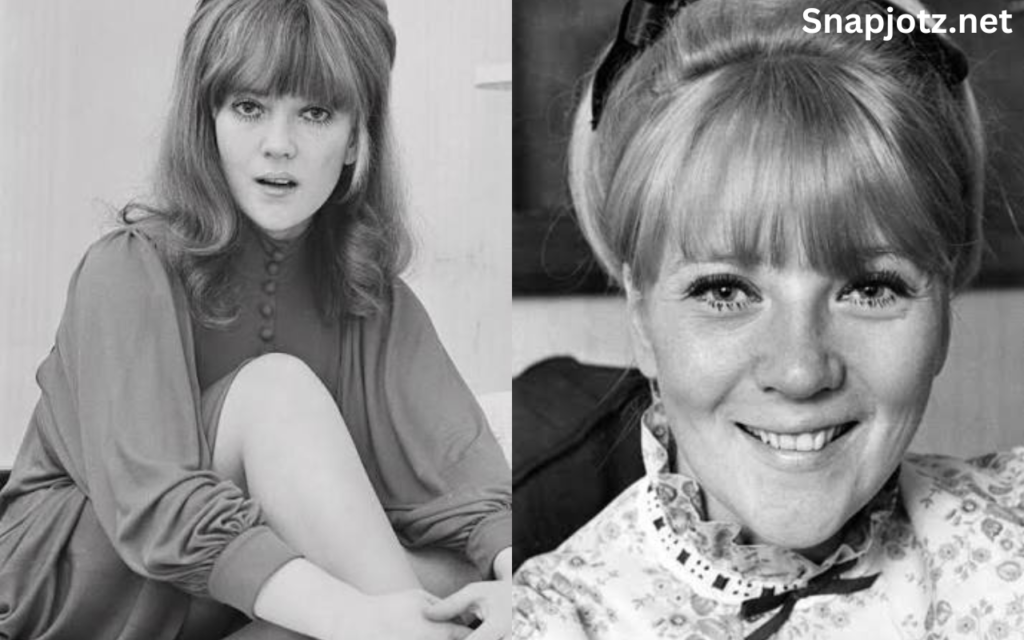

Julia Foster is one of Britain’s most respected actresses, known for her memorable performances across film, television, and theatre. Rising to fame during the exciting era of British cinema in the 1960s, she built a career defined by versatility, elegance, and emotional depth rather than celebrity headlines. From starring alongside legendary actors like Michael Caine and Tommy Steele to becoming the mother of renowned broadcaster Ben Fogle, Foster’s life has blended artistic achievement with a strong commitment to family and personal growth. Even after stepping away from the spotlight for periods of her life, she continued to earn admiration for her professionalism and graceful return to acting.
Table of Contents
ToggleHer story is about far more than famous films. It is about resilience, adapting to life’s changing priorities, and proving that success can be measured not only by awards but also by the lasting respect earned from audiences and colleagues alike. Over six decades, Julia Foster has remained an important figure in British entertainment while maintaining a remarkably private and balanced personal life.
Julia Foster Facts Table
| Fact | Details |
|---|---|
| Full Name | Julia Foster |
| Date of Birth | 2 August 1943 |
| Age | 82 (as of 2026) |
| Birthplace | Lewes, Sussex, England |
| Nationality | British |
| Profession | Actress |
| Years Active | 1960s–Present |
| Famous For | Alfie, The Loneliness of the Long Distance Runner, Half a Sixpence |
| Father | Not publicly disclosed |
| Mother | Not publicly disclosed |
| Siblings | Not publicly known |
| Husband | Bruce Fogle (m. 1973) |
| Former Husband | Lionel Morton |
| Children | Emily, Tamara, Ben Fogle |
| Estimated Net Worth | Approximately $2–5 million (estimated) |
| No official public account | |
| X (Twitter) | No official public account |
| No verified official page | |
| None |
Early Life and Childhood
Julia Foster was born on 2 August 1943 in the historic town of Lewes, Sussex, England, during the difficult years of World War II. Growing up in post-war Britain meant experiencing a country rebuilding itself socially and economically. Those early surroundings helped shape her appreciation for hard work, discipline, and creativity—qualities that later became evident throughout her acting career.
She received her education at a convent school, where she developed confidence, discipline, and an appreciation for literature and performance. Although relatively little has been publicly shared about her parents or siblings, it is clear that her upbringing encouraged curiosity and determination rather than fame for its own sake.
From an early age, Foster displayed an interest in acting and storytelling. Unlike many performers who discover acting later in life, she was drawn toward theatre while still young. Her earliest stage experience came with the Brighton Repertory Theatre, where she learned the fundamentals of performance before moving into professional productions. Those formative years laid the foundation for a career that would span film, television, and stage.
Beginning an Acting Career
Julia Foster entered professional acting during the early 1960s, a period when British cinema was undergoing significant creative change. Directors were increasingly interested in realistic stories about ordinary people, and young actors who could deliver authentic performances found exciting opportunities.
Her breakthrough came with The Loneliness of the Long Distance Runner (1962), in which she appeared alongside Tom Courtenay. The critically acclaimed film became an important part of Britain’s “kitchen sink” drama movement and introduced Foster to audiences who appreciated naturalistic acting. Critics noticed her ability to portray emotionally believable characters with subtlety rather than exaggeration.
Rather than becoming associated with only one style of role, Foster quickly demonstrated remarkable versatility. She comfortably moved between serious drama, comedy, romance, and period productions, making her one of the most dependable young actresses working in British entertainment during the decade.
Rise to Stardom in British Cinema
The 1960s proved to be the defining decade of Julia Foster’s career. During this period, British cinema was experiencing a creative renaissance, producing realistic dramas, social commentaries, and memorable comedies that gained international recognition. Foster became one of the talented young actresses helping shape this exciting era. Her natural acting style, expressive performances, and ability to portray emotionally complex characters quickly made her a sought-after performer among respected directors and producers.
One of her biggest career milestones came with “Alfie” (1966), where she starred opposite Michael Caine. The film became one of the defining British movies of the decade and introduced Foster to audiences far beyond the United Kingdom. Although Michael Caine’s performance attracted much of the public attention, critics praised Foster for bringing warmth, realism, and emotional authenticity to her role. The success of Alfie significantly strengthened her reputation and demonstrated that she could stand confidently alongside some of Britain’s biggest stars.
The following year, Foster appeared as Ann in the musical film “Half a Sixpence” (1967) alongside Tommy Steele. The lavish production showcased another side of her acting abilities, blending romance with musical storytelling. Although her singing voice was dubbed by stage performer Marti Webb for the film, Foster’s screen presence and performance remained central to its charm. The movie has since become a classic of British musical cinema and continues to introduce new generations to her work.
Film and Television Career Across Six Decades
Rather than limiting herself to feature films, Julia Foster successfully built an impressive career across television, theatre, and cinema. Throughout the late 1960s and 1970s, she accepted a variety of dramatic and comedic roles that highlighted her versatility. Her film credits expanded to include The System, The Bargee, One Way Pendulum, Percy, and The Great McGonagall, each allowing her to explore different characters and storytelling styles.
Television became another important part of Foster’s professional life. She appeared in several highly respected British productions, including the BBC adaptation of Moll Flanders in 1975, where she played the title character. She later starred in Wilde Alliance, portrayed Queen Margaret of Anjou in the BBC Television Shakespeare adaptations, and made guest appearances in popular British television series. These performances demonstrated that she was equally comfortable with period dramas, literary adaptations, and contemporary productions.
Even decades after her original breakthrough, Foster continued acting. Modern audiences have seen her in productions such as Flick, Holby City, Doctor Who, Dad’s Army (2016), and Allelujah!, proving that her passion for acting has never disappeared. Her willingness to return for meaningful roles reflects both her dedication to the craft and the respect she enjoys within the British entertainment industry.
Acting Style and Lasting Influence
Julia Foster has long been admired for her understated yet emotionally rich acting style. Rather than relying on dramatic gestures or exaggerated performances, she built her reputation through believable characters, expressive dialogue delivery, and subtle emotional depth. Critics often praised her ability to make ordinary people feel authentic, a quality that perfectly suited the realistic British dramas popular during the 1960s.
Another reason Foster remained respected throughout her career was her remarkable adaptability. She moved comfortably between film, television, stage productions, historical dramas, romantic comedies, and literary adaptations without becoming confined to a single genre. This flexibility allowed her career to continue evolving even as the entertainment industry changed around her. Younger performers have often benefited from the example set by actors like Foster, whose longevity came from professionalism rather than publicity.
Although she never pursued Hollywood superstardom or constant media attention, Julia Foster’s contribution to British cinema remains significant. Many of her films continue to be studied as important examples of post-war British filmmaking, and her collaborations with actors such as Michael Caine, Tommy Steele, Oliver Reed, and Tom Courtenay have secured her place in British film history. Today, she is remembered not only as a talented actress but also as part of a generation that helped define modern British screen acting.
Personal Life, Marriage, and Family
While Julia Foster enjoyed a successful acting career, she has always valued her private life more than public attention. Unlike many celebrities of her generation, she rarely sought headlines or media controversy. Friends and colleagues have often described her as thoughtful, grounded, and deeply committed to her family. This balance between professional success and personal happiness has become one of the defining features of her life.
Foster was first married to Lionel Morton, the lead singer of the 1960s pop band The Four Pennies. The couple had a daughter, Emily, before their marriage ended in divorce. Although the relationship did not last, Foster remained devoted to raising her daughter while continuing her acting career.
In 1973, she married Canadian-born veterinarian and bestselling author Bruce Fogle, a partnership that has endured for more than five decades. Together they have two children, Ben Fogle, who became one of Britain’s best-known television presenters and adventurers, and Tamara Fogle, a fashion designer. The family has long lived in West Sussex, enjoying a quieter lifestyle away from central London’s entertainment scene.
Awards, Recognition, and Contributions to British Entertainment
Julia Foster’s career has been defined more by critical respect than by collecting trophies. Although she has not accumulated a large number of major acting awards, her performances have consistently earned praise from critics and audiences alike. Her work during the British New Wave cinema movement helped establish her as one of the most accomplished actresses of her generation, and several of her films continue to be regarded as classics of British cinema.
Her appearance in Alfie placed her in one of the most celebrated British films of the 1960s, which was selected for competition at the Cannes Film Festival. The movie’s international success introduced Foster to worldwide audiences and strengthened her reputation as a versatile dramatic actress capable of performing alongside Britain’s biggest stars.
Beyond awards and accolades, Foster’s greatest contribution lies in the consistency of her work. She successfully transitioned between film, television, theatre, literary adaptations, historical dramas, and modern productions over six decades. Her longevity reflects her professionalism, dedication, and willingness to embrace diverse roles rather than chase celebrity status. Many younger British performers continue to regard her career as an example of sustained excellence built on talent and hard work.
Career Highlights
- Starred in The Loneliness of the Long Distance Runner (1962).
- Appeared opposite Michael Caine in Alfie (1966).
- Played Ann in Half a Sixpence (1967).
- Led the BBC adaptation of Moll Flanders (1975).
- Portrayed Queen Margaret in the BBC Shakespeare productions.
- Continued acting in modern productions including Dad’s Army, Doctor Who, Holby City, and Allelujah!.
Net Worth and Sources of Income
Julia Foster has never publicly disclosed her financial details, so any estimate of her wealth should be viewed as approximate rather than confirmed. Various entertainment publications estimate her net worth to be in the range of $2 million to $5 million, reflecting a career that has spanned more than sixty years across film, television, theatre, and commercial work. Because she has maintained a private lifestyle, these figures remain unofficial.
The majority of Foster’s income has come from her acting career. She earned roles in numerous successful British films during the 1960s and later expanded into television dramas, stage productions, and occasional commercial appearances. These consistent professional opportunities provided long-term financial stability while allowing her to remain selective about the projects she accepted.
Outside acting, Foster also developed an interest in Scandinavian antiques and became known for her expertise in 18th- and 19th-century Scandinavian painted furniture. She even operated a Scandinavian antique furniture business, demonstrating that her interests extended well beyond the entertainment industry. This unique pursuit reflected both her artistic eye and entrepreneurial spirit.
Social Media Presence and Public Image
Unlike many modern celebrities, Julia Foster has chosen not to maintain an active presence on major social media platforms. She does not operate verified public accounts on Instagram, X (formerly Twitter), Facebook, or LinkedIn. Instead, she has largely allowed her decades of professional work to speak for itself, preferring privacy over constant online visibility.
Although Foster herself remains largely offline, her family occasionally shares glimpses of their lives through interviews and public appearances. Her son, television presenter Ben Fogle, has spoken warmly about his parents and their influence on his upbringing, often highlighting the supportive environment they created at home. These insights have helped audiences appreciate another side of Julia Foster beyond her acting career.
Her decision to avoid social media has arguably enhanced her reputation as a classic performer whose legacy is rooted in talent rather than publicity. In an age when celebrity culture often revolves around digital engagement, Foster’s quiet approach stands out as a reminder that lasting respect can still be earned through consistent work, professionalism, and authenticity.
Recent Life and Career Updates
Although Julia Foster has worked in the entertainment industry for more than sixty years, she has become increasingly selective about the projects she accepts. After taking a lengthy break from acting to focus on other interests and family life, she returned to the stage in Alan Bennett’s Allelujah! at London’s Bridge Theatre in 2018, playing the role of retired librarian Mary. Foster explained that she had stepped away from acting for quite some time before accepting the production, making her return especially meaningful for audiences and critics alike.
The success of the stage production led to the film adaptation of Allelujah!, released in 2022 in the UK (and more widely in 2023). Once again, Foster demonstrated the quiet emotional strength that has characterized her performances throughout her career. Her appearance introduced her to a new generation of viewers while reminding longtime fans why she remains one of Britain’s most respected actresses.
Today, Julia Foster continues to be celebrated for her remarkable contribution to British film, television, and theatre. While she no longer maintains the busy acting schedule of her younger years, her work continues to be appreciated through classic film screenings, television repeats, and streaming platforms. Her performances remain an important part of British cinema history, inspiring both audiences and aspiring actors.
Interesting Facts About Julia Foster
Julia Foster’s life includes many fascinating details that are often overlooked when discussing her acting career. Beyond the screen, she has built a reputation for intelligence, creativity, and diverse interests. Her journey demonstrates that success is not limited to a single profession but can extend into entirely different fields.
Some notable facts about Julia Foster include:
- She made her professional stage debut with the Brighton Repertory Theatre before moving into London’s theatre scene.
- She appeared alongside legendary actors including Michael Caine, Tom Courtenay, Tommy Steele, Oliver Reed, and many other notable British performers.
- She became Britain’s leading expert on 18th- and 19th-century Scandinavian painted furniture and operated a Scandinavian antique furniture business during her break from acting.
- She was the featured guest on the famous BBC radio programme Desert Island Discs in 1976.
- She is the mother of explorer, writer, and television presenter Ben Fogle, one of Britain’s best-known broadcasters.
These achievements illustrate that Foster’s influence reaches well beyond acting. Her willingness to explore different passions and develop expertise in other areas reflects a lifelong curiosity and commitment to personal growth.
Julia Foster’s Legacy in British Entertainment
Julia Foster’s contribution to British entertainment extends far beyond the impressive list of films and television programmes in which she has appeared. She belongs to a remarkable generation of performers who transformed British cinema during the 1960s by embracing realistic storytelling and emotionally authentic performances. Her work helped shape the identity of British film during one of its most influential periods, and many of her productions continue to be studied and celebrated today.
What makes Foster’s career particularly admirable is its longevity. Few actors successfully maintain relevance across six decades while adapting to changing styles, audiences, and technologies. Whether performing in classic black-and-white dramas, period television adaptations, modern films, or acclaimed stage productions, she consistently demonstrated professionalism, versatility, and artistic integrity. Her reputation has been built not on publicity or controversy but on the quality of her work and the respect of her peers.
Her legacy also lives on through the careers and achievements of her family. As the mother of Ben Fogle and the wife of celebrated veterinarian and author Bruce Fogle, she has been part of a family known for making meaningful contributions to British culture, wildlife conservation, broadcasting, and literature. Together, they represent a family whose influence reaches well beyond the entertainment industry.
Conclusion
Julia Foster’s life is a remarkable example of talent, resilience, and quiet determination. From her early days in Sussex to becoming one of Britain’s most respected actresses, she has consistently chosen meaningful work over celebrity and artistic integrity over fleeting fame. Her memorable performances in classics such as The Loneliness of the Long Distance Runner, Alfie, and Half a Sixpence secured her place in British cinema, while her continued work in theatre and television demonstrated an enduring passion for acting that has never faded.
Beyond her professional accomplishments, Foster has built a fulfilling personal life centered on family, lifelong learning, and diverse interests. Her successful marriage to Bruce Fogle, her support of her children’s careers, and her expertise in Scandinavian antiques reveal a woman whose identity extends far beyond the screen. She has shown that true success comes from maintaining balance, pursuing personal passions, and remaining authentic throughout life’s many chapters.
As Julia Foster continues to be celebrated as one of Britain’s distinguished actresses, her journey serves as a powerful reminder that dedication, grace, and perseverance create a legacy that endures for generations. Her story inspires aspiring performers and readers alike to embrace opportunity, remain true to their values, and understand that lasting influence is built through consistent excellence, genuine passion, and a lifelong commitment to one’s craft.