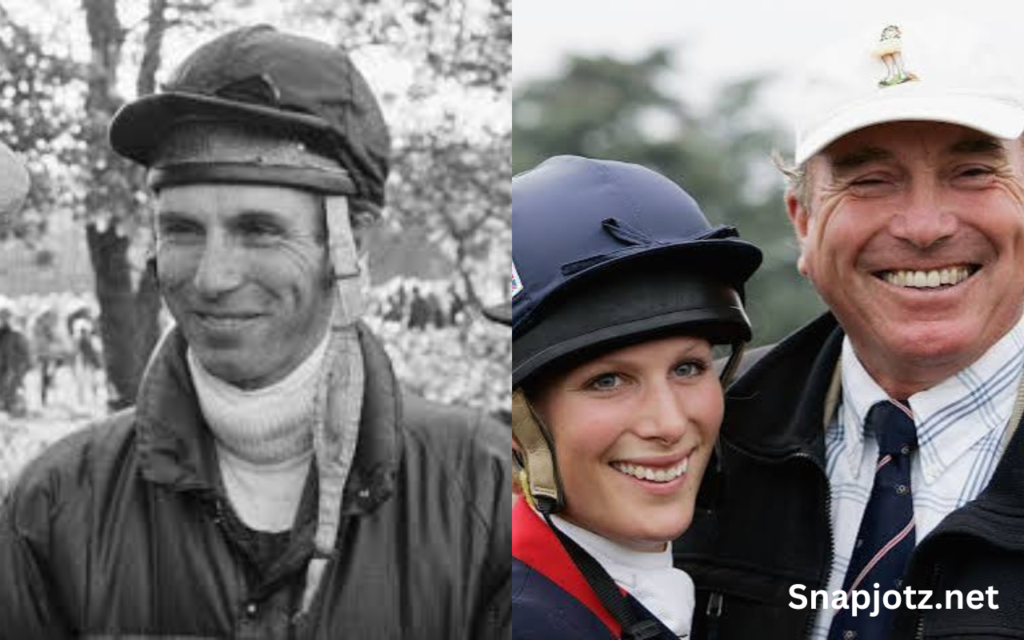

Captain Mark Phillips is one of Britain’s most respected equestrians, a former British Army officer, Olympic gold medalist, international horse trainer, and course designer. Although many people first recognize him as the former husband of Princess Anne, his own achievements in military service and equestrian sports have earned him lasting respect around the world. For more than five decades, Phillips has played an influential role in eventing, helping shape the careers of elite riders while promoting excellence in horse riding and cross-country competition. His story is not simply connected to the British royal family—it is a remarkable journey of discipline, determination, and lifelong dedication to horses and sport.
Table of Contents
Toggle| Quick Facts | Details |
|---|---|
| Full Name | Mark Anthony Peter Phillips |
| Known As | Captain Mark Phillips |
| Date of Birth | September 22, 1948 |
| Age | 77 (as of 2026) |
| Birthplace | Tetbury, Gloucestershire, England |
| Nationality | British |
| Profession | Former British Army Officer, Olympic Equestrian, Horse Trainer, Course Designer |
| Parents | Major Peter William Garside Phillips and Anne Patricia Tiarks |
| Sibling | Sarah Anne Staples (late) |
| Education | Marlborough College; Royal Military Academy Sandhurst |
| Olympic Medal | Gold (1972 Munich), Silver (1988 Seoul Team Event) |
| Former Spouse | Princess Anne (1973–1992) |
| Children | Peter Phillips, Zara Tindall, Felicity Tonkin, Stephanie Hosier |
| Estimated Net Worth | Approximately £15–20 million (estimated) |
| No official public account | |
| X (Twitter) | No official public account |
| No official public profile |
Early Life and Family Background
Mark Anthony Peter Phillips was born on September 22, 1948, in Tetbury, Gloucestershire, England, into a family with a proud military tradition. His father, Major Peter William Garside Phillips, served with distinction in the British Army, while his mother, Anne Patricia Tiarks, came from a respected family with military and public service connections. Growing up in such an environment taught Mark the values of responsibility, discipline, and commitment from an early age.
He spent much of his childhood in the English countryside, where horses were a natural part of daily life. The rural surroundings inspired a deep love for riding that would later define his career. While many children dream of becoming athletes, Phillips developed genuine skills through years of practice, gradually becoming one of Britain’s most promising young riders.
Mark also shared a close relationship with his younger sister, Sarah Anne Staples. Although the family remained relatively private, they strongly encouraged education, sportsmanship, and hard work. Those early influences helped shape the calm personality and professional attitude that later became his trademark.
Education and Military Training
Phillips attended Stouts Hill Preparatory School before enrolling at the prestigious Marlborough College. During his school years, he balanced academics with outdoor activities and horse riding, demonstrating both leadership qualities and athletic talent. His education prepared him for the next important chapter of his life.
After completing school, he entered the Royal Military Academy Sandhurst, one of the world’s leading military training institutions. Sandhurst is famous for producing disciplined officers, and Phillips successfully completed its demanding program before receiving his commission into the 1st The Queen’s Dragoon Guards in 1969.
His military career progressed steadily. He became a lieutenant in 1971 and was serving as an acting captain at the time of his marriage to Princess Anne in 1973. He later received the substantive rank of captain before retiring from active military service in 1978. Even after leaving the Army, he continued using the title “Captain Mark Phillips,” a respected tradition among retired cavalry officers involved in equestrian sports.
Building an Olympic Equestrian Career
Long before becoming associated with the British royal family, Mark Phillips had already established himself as one of Britain’s finest event riders. His combination of courage, technical skill, and exceptional partnership with his horses made him a standout competitor in international eventing.
His breakthrough came during the early 1970s when Great Britain’s eventing team dominated major competitions. Phillips helped the British team win the World Championship in 1970 and the European Championship in 1971, confirming his status as one of the country’s elite riders. These victories prepared him for the biggest stage in international sport.
At the 1972 Munich Olympic Games, Phillips played a vital role in helping Great Britain secure the team gold medal in eventing. Although his individual placing was outside the medals, his contribution to the team’s success remains one of the defining moments of British equestrian history. Sixteen years later, he added another Olympic medal by helping Great Britain win team silver at the 1988 Seoul Olympics.
Marriage to Princess Anne and Life in the Royal Spotlight
By the early 1970s, Captain Mark Phillips had become one of Britain’s most accomplished horsemen, while Princess Anne had already established herself as a skilled equestrian with a passion for eventing. Their shared love of horses brought them together after they met at an equestrian gathering in 1968. As their friendship developed, they discovered common interests beyond the sport, including military traditions, countryside living, and a practical approach to public life. Their relationship quickly attracted widespread attention from both the British public and international media.
On November 14, 1973, Mark Phillips married Princess Anne at Westminster Abbey in London. The royal wedding was watched by millions of viewers across the globe and became one of the most memorable royal events of the decade. Unlike many people who married into the Royal Family, Phillips declined an offer of a royal title from Queen Elizabeth II. By remaining without a hereditary title, he ensured that any future children would grow up without royal titles, a decision that Princess Anne also supported. This reflected the couple’s desire to provide a more independent upbringing for their family.
During their marriage, the couple welcomed two children who later became well-known public figures. Their son, Peter Phillips, was born in 1977, followed by their daughter, Zara Phillips—now Zara Tindall—in 1981. Both children inherited their parents’ passion for horses, with Zara eventually becoming an Olympic medal-winning event rider herself. Although Mark and Anne separated in 1989 and finalized their divorce in 1992, they continued to cooperate as parents and have often appeared together at important family occasions and equestrian events.
Success Beyond Competition
While many Olympic athletes retire quietly after their competitive careers, Captain Mark Phillips chose a different path. Instead of stepping away from the sport, he dedicated himself to helping future generations of riders develop their skills. His experience at the highest level made him one of the world’s most respected coaches and technical experts in eventing.
Phillips spent many years coaching elite international riders, including serving as the coach of the United States Eventing Team. Under his leadership, American riders improved significantly in international competition, benefiting from his emphasis on discipline, preparation, and partnership between horse and rider. His coaching philosophy focused on building confidence while maintaining the highest standards of horsemanship.
Another important chapter of his career involved designing cross-country courses for prestigious equestrian competitions around the world. His courses became known for being challenging yet fair, requiring technical ability without compromising horse welfare. Over the years, organizers across Europe and North America regularly sought his expertise because of his reputation for creating safe, exciting, and well-balanced competitions.
Major Achievements and Lasting Contributions
Captain Mark Phillips has built an impressive list of accomplishments that extends far beyond his Olympic medals. His influence can be seen throughout international equestrian sport, from competition to coaching and course design. Few individuals have contributed to so many different aspects of eventing over such a long period.
Among his greatest sporting achievements are:
- Olympic Team Gold Medal – Munich 1972.
- Olympic Team Silver Medal – Seoul 1988.
- Multiple World and European Championship medals.
- Four-time winner of the prestigious Badminton Horse Trials.
- Internationally respected cross-country course designer.
- Long-serving columnist and commentator for Horse & Hound magazine.
His achievements have earned admiration throughout the equestrian community because they demonstrate excellence in several different roles. Rather than focusing solely on personal success, Phillips has consistently worked to improve the sport itself by sharing knowledge, mentoring riders, and helping competitions evolve with modern safety standards.
Even after reducing his competitive commitments, he has remained one of the most recognizable and respected figures in British equestrian circles. His opinions continue to carry considerable weight among riders, trainers, and event organizers around the world.
Personal Life, Relationships, and Interests
Although Captain Mark Phillips has spent decades in the public eye, he has generally maintained a private personal life outside equestrian events. Following his divorce from Princess Anne in 1992, he married American Olympic dressage rider Sandy Pflueger in 1997. Together they welcomed a daughter, Stephanie, before eventually divorcing in 2012. Phillips is also the father of Felicity Tonkin, whose paternity was confirmed through DNA testing in the early 1990s.
Away from official engagements, Phillips enjoys the quiet lifestyle of the English countryside. Horses continue to occupy much of his daily life, whether through training, advising riders, judging competitions, or attending major equestrian events. Friends and colleagues often describe him as calm, practical, and deeply committed to the welfare of horses.
In recent years, he has continued appearing at important family celebrations and major horse trials. During 2026, he attended the wedding of his son Peter Phillips and was seen publicly at the event, reflecting the close family relationships he has maintained despite his long-ago divorce from Princess Anne. Recent reports also note that he has announced his retirement from designing cross-country courses while continuing to advise within the equestrian community.
Net Worth and Sources of Income
Captain Mark Phillips has enjoyed a long and successful career that spans military service, Olympic competition, coaching, horse breeding, and international course design. While he has never publicly disclosed his financial details, various reputable estimates place his net worth at approximately £15–20 million. His wealth has been built over several decades through professional achievements rather than royal status, as he never accepted a royal title when he married Princess Anne.
A significant portion of his income has come from coaching elite event riders and national equestrian teams. Following his retirement from the British Army, Phillips became one of the world’s most sought-after trainers and consultants. He also earned substantial income from designing cross-country courses for prestigious horse trials across Europe, North America, Australia, and New Zealand. In addition, he has received appearance fees, judging assignments, speaking engagements, and income from horse-related businesses and publications.
His financial success reflects decades of dedication to equestrian sport rather than celebrity. Unlike many public figures, Phillips has maintained a relatively modest lifestyle centered around horses and the countryside. Rather than pursuing commercial endorsements or entertainment ventures, he has consistently focused on improving the sport that has defined his life.
Main Income Sources
- International equestrian coaching.
- Cross-country course designing.
- Horse training and breeding.
- Competition judging and consulting.
- Magazine columns, interviews, and public appearances.
Social Media Presence and Public Image
Unlike many modern sports personalities, Captain Mark Phillips maintains a very low digital profile. He does not operate verified public accounts on Instagram, X (formerly Twitter), Facebook, or LinkedIn. Instead, his public appearances and professional activities are usually shared through official equestrian organizations, horse trials, sporting publications, and members of his family.
Although he avoids social media, Phillips remains one of the most respected voices in international eventing. Interviews with him frequently appear in leading equestrian magazines, particularly Horse & Hound, where his experience and technical knowledge are highly valued. Fans continue to follow his opinions on horse welfare, Olympic eventing, and cross-country course design because of his decades of expertise.
His reputation has largely remained positive throughout his career. Fellow riders often describe him as disciplined, knowledgeable, and approachable, while organizers appreciate his professionalism and commitment to maintaining high standards of safety and fairness. His influence extends well beyond the competition arena, making him one of the most respected ambassadors for the sport.
Recent Updates and Future Outlook
Even in his late seventies, Captain Mark Phillips continues to be an important figure within the equestrian world. In recent years, he announced his retirement from designing international cross-country courses, bringing an end to one of the most distinguished course-design careers in modern eventing. The decision marked the close of another remarkable chapter in a lifetime devoted to horses, although he continues to offer advice and mentorship within the sport.
Phillips also remains active in family life. He regularly attends major equestrian competitions involving his daughter, Olympic medalist Zara Tindall, and other members of Britain’s equestrian community. His presence at family celebrations and royal-related events demonstrates the respectful relationships he has maintained despite the end of his marriage to Princess Anne many years ago.
Looking ahead, Captain Mark Phillips is expected to continue supporting equestrian sport through mentoring, advisory work, and appearances at leading competitions. His decades of experience make him an invaluable source of knowledge for younger riders, coaches, and event organizers who continue to benefit from his wisdom and practical approach.
Captain Mark Phillips’ Legacy and Influence
Captain Mark Phillips has built a legacy that extends far beyond Olympic medals and royal connections. Throughout more than fifty years in equestrian sport, he has demonstrated how discipline, dedication, and continuous learning can create lasting success. From serving his country as a British Army officer to standing on the Olympic podium and later helping shape future generations of riders, every stage of his journey reflects professionalism and perseverance.
His contributions to international eventing are visible not only in the championships he won but also in the riders he coached, the competitions he helped design, and the standards he promoted throughout the sport. Many of today’s elite competitors have benefited directly or indirectly from his knowledge, proving that true influence often comes through teaching and mentorship rather than personal achievement alone.
As Captain Mark Phillips continues to inspire riders around the world, his story reminds us that lasting success is built through commitment, integrity, and a genuine passion for excellence. His remarkable journey—from a young horse enthusiast in rural England to an Olympic champion, respected coach, and influential leader in equestrian sport—demonstrates how resilience and purpose can shape a meaningful legacy that continues to inspire future generations.
Honors, Awards, and International Recognition
Captain Mark Phillips’ achievements have earned him recognition not only within the equestrian world but also through prestigious British and international honors. His combination of military service, Olympic success, and lifelong dedication to horse sport has made him one of the most decorated figures in British eventing. Over the decades, he has represented Great Britain with distinction while also contributing significantly to the development of equestrian competition worldwide.
In recognition of his service to the British monarchy, Phillips was appointed a Commander of the Royal Victorian Order (CVO) in 1974. During his military career, he also served as a Personal Aide-de-Camp (ADC) to Queen Elizabeth II, a prestigious honorary appointment given to trusted military officers. Throughout the years, he has additionally received commemorative medals marking the Silver Jubilee, Golden Jubilee, Diamond Jubilee, Platinum Jubilee of Queen Elizabeth II, and the Coronation Medal of King Charles III. These honors reflect his long-standing connection to royal and national service.
His achievements have also been celebrated internationally. Norway awarded him the Commander with Star of the Royal Norwegian Order of Saint Olav, recognizing his contributions and distinguished public service. Beyond official decorations, Phillips has received widespread admiration from equestrian organizations around the world, many of which regard him as one of the sport’s greatest ambassadors. His induction into halls of fame and continued invitations to major championships demonstrate the lasting respect he commands across the global horse community.
Notable Honors
- Commander of the Royal Victorian Order (CVO)
- Personal Aide-de-Camp to Queen Elizabeth II
- Queen Elizabeth II Silver Jubilee Medal
- Queen Elizabeth II Golden Jubilee Medal
- Queen Elizabeth II Diamond Jubilee Medal
- Queen Elizabeth II Platinum Jubilee Medal
- King Charles III Coronation Medal
- Commander with Star of the Royal Norwegian Order of Saint Olav
Influence on Modern Eventing
Captain Mark Phillips’ greatest legacy may be his influence on the evolution of modern eventing. After retiring from elite competition, he transformed himself into one of the world’s foremost cross-country course designers. His work has shaped many of the most prestigious competitions in Britain, Europe, and North America. Rather than designing courses that simply tested bravery, Phillips focused on creating technical challenges that rewarded skilled riding while prioritizing horse welfare and safety.
His philosophy emphasized thoughtful course flow, fair questions for horses and riders, and safer fence construction. Over the years, organizers increasingly sought his expertise because of his ability to balance excitement with responsibility. Phillips has often explained that a successful course should challenge riders without placing unnecessary risks on horses, an approach that has influenced course design across international eventing.
In addition to designing courses, Phillips devoted many years to coaching and mentoring. As Chef d’Équipe of the United States Eventing Team for nearly two decades, he helped guide American riders to Olympic, World Championship, and Pan American Games medals. His leadership, technical knowledge, and calm approach played a major role in strengthening the U.S. eventing program and inspiring a new generation of competitors.
Interesting Facts About Captain Mark Phillips
Captain Mark Phillips has lived a fascinating life filled with achievements both inside and outside the sporting arena. While many people know him because of his marriage to Princess Anne, his personal accomplishments stand on their own. His journey combines military discipline, Olympic excellence, and decades of leadership within international equestrian sport.
Some interesting facts about Captain Mark Phillips include:
- He won Olympic team gold for Great Britain at the 1972 Munich Games.
- He later added an Olympic team silver medal at the 1988 Seoul Olympics.
- He won the prestigious Badminton Horse Trials four times.
- He declined a royal title when marrying Princess Anne.
- His daughter, Zara Tindall, followed in his footsteps by becoming an Olympic medal-winning event rider.
- He coached the United States Eventing Team for nearly 20 years.
- He designed cross-country courses on several continents before retiring from that role.
- He remains a respected columnist and commentator on equestrian sport.
These accomplishments highlight the breadth of his career. Very few people have succeeded as an Olympic athlete, military officer, international coach, course designer, and respected mentor all within the same profession. His influence continues to be felt throughout the equestrian world.
Frequently Asked Questions (FAQs)
Who is Captain Mark Phillips?
Captain Mark Phillips is a British former Army officer, Olympic gold medal-winning event rider, horse trainer, and internationally renowned cross-country course designer. He is also the former husband of Anne, Princess Royal.
How old is Captain Mark Phillips?
He was born on September 22, 1948, making him 77 years old as of 2026.
What Olympic medals has Captain Mark Phillips won?
He won team gold in eventing at the 1972 Munich Olympics and team silver at the 1988 Seoul Olympics.
Why didn’t Mark Phillips become a prince?
When he married Princess Anne in 1973, he declined the offer of a royal title. As a result, he remained Captain Mark Phillips, and his children were not given royal titles.
Is Captain Mark Phillips still involved in equestrian sports?
Yes. Although he has retired from designing cross-country courses, he continues to contribute as an advisor, mentor, and respected figure within international eventing.
Lasting Impact on British and International Equestrian Sport
Captain Mark Phillips’ influence reaches far beyond his own competitive accomplishments. As an Olympic champion, coach, course designer, and mentor, he has helped shape the direction of international eventing for more than five decades. His emphasis on technical excellence, horse welfare, and rider education has influenced countless athletes and organizers around the world. Many of today’s leading riders have benefited directly or indirectly from the standards he helped establish.
His legacy is also evident through his family. His daughter, Zara Tindall, followed his path by becoming an Olympic medal-winning event rider, continuing the family’s remarkable contribution to British equestrian sport. Together, their achievements represent one of the most successful parent-child legacies in Olympic eventing history, highlighting the enduring importance of passion, dedication, and sportsmanship.
Above all, Captain Mark Phillips remains admired because he never allowed public attention or royal connections to overshadow his professional identity. He built his reputation through hard work, expertise, and integrity. Whether remembered as an Olympic gold medalist, a respected British Army officer, an innovative course designer, or a trusted mentor, his contribution to equestrian sport continues to inspire riders across generations and ensures that his legacy will endure for many years to come.
Books, Journalism, and Contributions to Equestrian Education
Captain Mark Phillips has influenced the equestrian world not only through competition and coaching but also through his writing and educational work. Over the years, he has shared practical knowledge with riders, trainers, and horse enthusiasts through articles, interviews, and instructional publications. His ability to explain complex riding techniques in a clear and practical manner has made him a respected educator within the sport.
One of his longest-running contributions has been as a columnist for Horse & Hound, one of the United Kingdom’s leading equestrian magazines. Through regular columns, Phillips has discussed eventing, horse welfare, rider preparation, Olympic competition, and developments within the sport. His commentary is valued because it comes from someone who has experienced nearly every aspect of international eventing—as a rider, coach, judge, and course designer.
In addition to magazine writing, Phillips has contributed to training clinics, educational seminars, and coaching programs around the world. Riders often praise his straightforward teaching style, which emphasizes patience, trust between horse and rider, and careful preparation. His educational work has helped improve standards of horsemanship across several generations of competitors.
Leadership Style and Philosophy
Throughout his career, Captain Mark Phillips has been known for his calm leadership and practical decision-making. Whether serving in the British Army or coaching Olympic athletes, he has consistently believed that success comes from preparation rather than shortcuts. His military background instilled discipline, while his years in equestrian sport taught him the importance of adapting to both horses and changing competition conditions.
Phillips has often emphasized that eventing is built on partnership rather than individual talent. He believes that a rider must understand a horse’s strengths, limitations, and personality before expecting peak performance. This philosophy has influenced many of the riders he coached, encouraging them to prioritize communication and trust over aggressive competition.
Another hallmark of his leadership has been his willingness to embrace change. As safety standards evolved in international eventing, Phillips supported improvements in course design and horse welfare. Rather than resisting modernization, he helped shape it, ensuring that the sport remained challenging while reducing unnecessary risks for both riders and horses.
Leadership Principles Associated with Captain Mark Phillips
- Preparation is the foundation of success.
- Horse welfare should always come first.
- Confidence grows through consistent practice.
- Teamwork is essential in international competition.
- Learning never stops, regardless of experience.
Why Captain Mark Phillips Remains Relevant Today
Although Captain Mark Phillips no longer competes at the highest level, his influence continues to be felt throughout international equestrian sport. His Olympic achievements remain part of British sporting history, while his coaching methods and course designs continue to influence modern eventing. Younger riders frequently study his techniques and learn from the principles he promoted throughout his career.
His relevance also stems from his unique life experiences. Few individuals have successfully balanced careers as a British Army officer, Olympic champion, royal family member by marriage, international coach, course designer, journalist, and mentor. Each role has contributed to a reputation built on professionalism, expertise, and dedication rather than publicity.
Even today, Captain Mark Phillips remains a familiar face at major equestrian competitions and royal family gatherings. His presence reflects the enduring respect he has earned from athletes, organizers, and fans alike. As eventing continues to evolve, his ideas on safety, training, and horsemanship remain highly influential, ensuring that his contribution to the sport will be remembered for generations.
Final Thoughts
Captain Mark Phillips’ biography is a story of achievement, resilience, and lifelong commitment to excellence. From his upbringing in Gloucestershire and military training at Sandhurst to becoming an Olympic gold medalist, internationally respected coach, and influential course designer, every stage of his journey reflects discipline and determination. While his marriage to Princess Anne brought worldwide attention, it is his own accomplishments that have secured his lasting place in British sporting history.
Over more than five decades, Phillips has helped shape modern eventing through his performances, coaching, writing, and leadership. His contributions extend well beyond medals and trophies, influencing safety standards, rider development, and the future direction of equestrian sport. His dedication has earned admiration from competitors, officials, and horse enthusiasts around the globe.
As Captain Mark Phillips continues to inspire future generations, his story stands as a powerful reminder that perseverance, integrity, and a genuine passion for one’s craft can create a legacy that lasts far beyond personal success. His remarkable career demonstrates that true greatness is measured not only by victories but also by the positive influence one leaves on others and on the sport itself.